

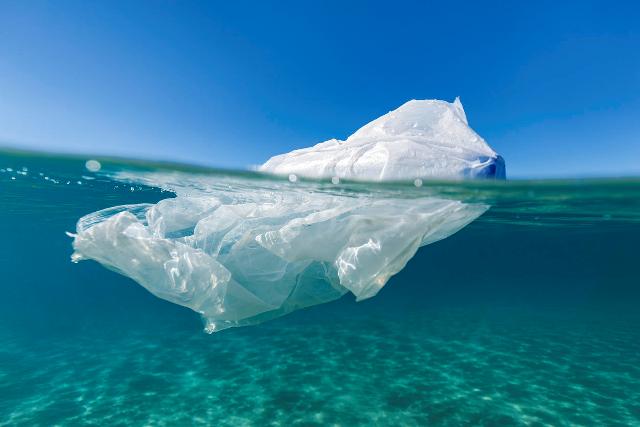
International Plastic Bag Free Day is celebrated every year on July 3, with the initiative of environmental organizations around the world. According to the organizers the celebration provides a unique opportunity to spread the message that a world without plastic bags is possible.
The plastic bag in Greece (2021) A reduction of 99.9% in 2020 in the use of the lightweight plastic bag in the supermarket channel, compared to 2017, a study by the Consumer Goods Retail Research Institute (IELKA) recorded, as from 1.8 billion bags in 2017, in 2020 under 1 million bags were distributed. IELKA notes that practically from 2021 plastic bags have been eliminated from the Greek market.
According to the study, the per capita annual plastic bag consumption in the supermarket channel decreased from 167 bags per capita to 0.1, as the disposal of biodegradable-compostable thin plastic bags which was zero in 2017, reached 35 million in 2020. units and in 2021 it is expected to exceed 250 million units, an increase of over 600%. At the same time, the availability of reusable bags multiplied. It is estimated that Greek households in the last 3 years have purchased more than 32 million pieces and each household has 7.8 reusable bags. Especially from January 2021 onwards their use is much more intense.
In relation to the other trade-focused channels, mixed trends are recorded, and the lack of substantial controls by the state led to growth trends in some channels. In particular, the exception of open-air markets and kiosks from the application of the legislation is noted. According to IELKA, this is a problematic situation that sends wrong messages to the citizens in relation to their measures and goals, while also creating practical problems. Characteristic, argues IELKA, is that apart from the non-imposition of an environmental fee, unmarked plastic bags are still circulating, which is also a community obligation.
Partial application in food retail (e.g. bakery, butchers) and application mainly by organized chain stores.
Partial implementation of the measure in the catering industry with the exception of organized catering chains.
Greater implementation of the measure in urban centers compared to the countryside.
Ignorance by many small traders in relation to the obligations in relation to plastic bag legislation.
In other branches, e.g. articles of clothing removal and replacement of the plastic bag by other types of bags such as paper, while in other sectors such as pharmacies by replacement with biodegradable ones.
Based on the above, IELKA estimates that the percentage reduction in the use of plastic bags in retail channels is clearly lower than in supermarkets, given that the legislation exempts street markets and kiosks from the imposition of an environmental fee (at least until today). So and given that the supermarket channel represents only 50-55% of food retail sales and even less than the total retail and mass catering it is estimated that the overall percentage reduction in the plastic carrier bag is significantly less.
According to market executives' estimates for non-supermarket distribution, total plastic bag consumption in 2020 has dropped to around 75-80 bags per capita. Although this reduction is particularly important, there is significant room for further reduction of plastic bags and greater reduction of pollution in the environment. IELKA notes that the following actions/initiatives are considered necessary today to achieve the European Union's goal of 40 plastic bags per capita per year by 2025:
Removal of the environmental fee exemption for street markets and kiosks.
Informing small retail businesses of their obligations under plastic bag legislation and the alternatives they can use.
Intensification of checks on retail and catering channels that still use plastic bags
The data relate to:
- The thin plastic transport bag of 15-50 μm thickness on which an environmental fee of €0.07 plus VAT is imposed from 1/1/2019.
- It is noted that this is the plastic carrier bag that concerns Community legislation with the aim of reducing it to up to 40 pieces per capita per year by 2025.
- The very thin plastic packaging bag less than 15 µm thick which was not subject to an environmental fee until 2020 and was subject to an environmental fee in 2021.
- The biodegradable-compostable bag on which no environmental fee is imposed.